DO
Identifying what could cause the most harm
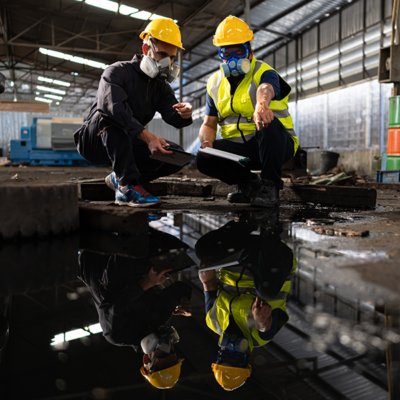
The DO phase is about taking action to find, understand and prioritize the risks that could cause life-altering injuries or fatalities.
This step focuses on identifying high-energy hazards, evaluating their potential severity and assessing how well current controls protect workers.
The goal is to focus resources on the risks that could cause the most serious harm.
What to do
Tips for success
- Use a team approach. Involve front-line workers and supervisors to ensure all perspectives are represented.
- Focus on what could happen, not what has. Historical injury data rarely shows where the next fatality could occur.
- Validate in the field. Verify that listed controls actually exist and are working as intended.
- Keep it visual. Mapping high-energy hazards helps communicate risk across the organization.
- Use available tools. WorkSafe Saskatchewan provides templates and tools to help recognize and prioritize risks.
Outcome
By completing this stage, your organization will have:
- A clear inventory of high-energy hazards,
- A prioritized list of serious risks with supporting rationale,
- Awareness of where controls are strong and where they need strengthening,
- A foundation for focused action and investment.
Learning through collaboration
WorkSafe Saskatchewan’s serious incident and fatality prevention model was developed with support from the National Safety Council, SaskPower and numerous subject matter experts across industries. It is designed to evolve as your safety system matures.
A model is only effective if it's used. Apply the tools and adapt the framework to fit your organization and culture.
Need help getting started?
WorkSafe Saskatchewan’s prevention team can walk you through the model and help you get started with using these tools to better understand and manage the complex risks that are present in your workplace.
Phone: 306.787.7248
Toll free: 1.800.667.7590
Email: worksafeinquiry@wcbsask.com