
Energy wheel
Energy-based hazard recognition
High-energy hazards are prioritized in a serious incident and fatality prevention model because:
- They have a high severity potential (even one failure can be catastrophic).
- Traditional safety metrics (like Total injury rate) often overlook near misses involving high energy.
- They require engineering and procedural controls to prevent exposure, not just worker caution.
Using the energy wheel to identify hazards
Every job involves energy — lifting, moving, cutting, heating or powering equipment. When that energy becomes uncontrolled, it can cause serious injuries or fatalities.
The energy wheel is a simple tool that helps workers recognize where hazardous energy exists on a job site before someone gets hurt.
Take a free on-demand course to learn how to use the energy wheel to increase hazard recognition by up to 30 per cent during pre-job assessments. Course provided by Energy Safety Canada and WorkSafe Saskatchewan.
What is the energy wheel?
The energy wheel is a visual reminder of the 10 common types of energy that can cause harm at work — such as mechanical, electrical, chemical, thermal, pressure and gravitational energy.
By scanning your work area through each category on the energy wheel, you can identify potential high-energy hazards that might otherwise be missed.
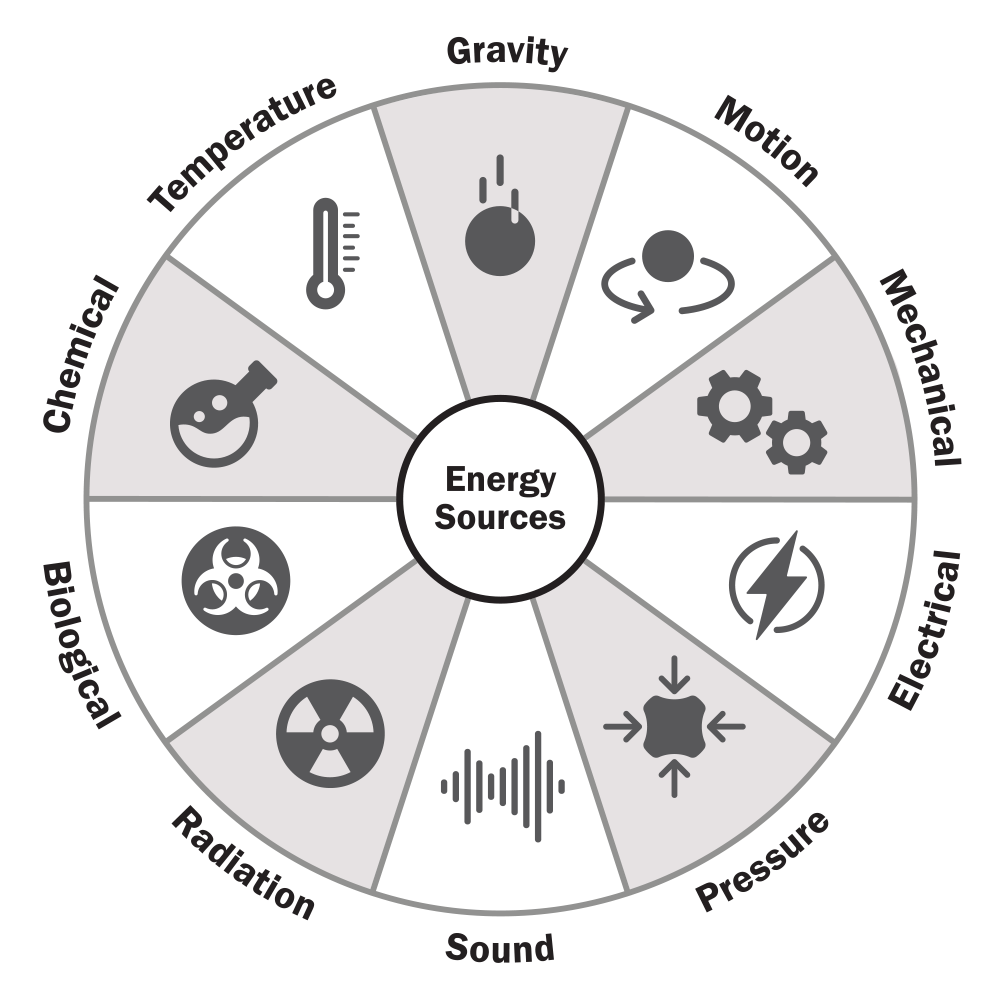
Definition and examples of the 10 hazardous energy sources in the energy wheel:
Energy category
Definition
Examples










How to use it
Start with instinct. Identify the hazards you already see based on your experience.
Use the energy wheel to check your blind spots. Go through each type of energy on the energy wheel and ask:
- Could energy be released here?
- What could happen if it is?
- How can we control it?
Discuss and document. Use the energy wheel during pre-job safety meetings, toolbox talks or job hazard analyses to make sure all energy sources are considered.
Best practice tips
- The energy wheel is not a separate safety program. It supports the practices you already have in place.
- Use it to add structure to your pre-job safety briefings.
- Keep paperwork simple at first. Focus on conversations and awareness.
- Remember: energy categories are guides, not hazards themselves. Be specific about what could cause harm.
Why it matters
The energy wheel helps workers and leaders see hazards through a new lens, as sources of energy that can cause harm if released or uncontrolled.
By prompting teams to think beyond the obvious risks, it improves awareness of hidden or overlooked dangers.

Research shows that using the energy wheel improves hazard recognition by about 30 per cent.
It helps workers think more broadly and systematically about the sources of energy around them, not just the obvious ones like moving vehicles or heights, but also less visible risks like stored pressure or chemical reactions.
Using the energy wheel encourages more complete hazard identification, stronger pre-job planning and better conversations about safety at every level of the organization.